The Most Spoken Article on Biosafety Cabinets
Enhancing Laboratory Safety with Class 2 Biosafety Cabinets and Microbiological Protection
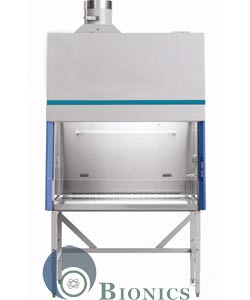
Maintaining a safe lab environment is crucial in today’s advanced research and clinical setups. Whether it's conducting biological tests, diagnostics, or experiments with infectious agents, biosafety cabinets form the backbone of contamination control.
Class 2 Biosafety Cabinets are widely adopted for offering three-way protection. These units are indispensable tools for pathogen handling and biological research.
Overview of Biosafety Cabinets in Laboratory Environments
Biosafety cabinets are specially designed, enclosed systems that ventilate and filter lab air. They use HEPA filtration to remove contaminants from incoming and outgoing air.
These units are generally classified into three categories—Class I, Class II, and Class III. Among these, Class II units strike a balance between user, product, and environmental protection.
Defining Class 2 Biosafety Cabinets and Their Role
Class 2 Biosafety Cabinets offer simultaneous protection for people, processes, and surroundings. They utilise downward laminar airflow within a sealed system.
Air is treated using dual filtration systems to ensure safe circulation and exhaust. These cabinets are frequently used in labs handling infectious agents or clinical samples.
Key Features of Microbiological Safety Cabinets
A Class 2 microbiological safety cabinet includes several advanced features such as:
• High-efficiency air filters to ensure clean workspace air
• Uniform downward airflow to protect the sample zone
• Inward airflow to keep aerosols contained
• Optional UV lights for overnight sterilisation
• Quiet operation and ergonomic design for user comfort
• Clear front panel Biosafety Cabinets for visibility and safety
These elements support lab workers in maintaining sterile working environments.
Industries and Labs That Rely on Microbiological Safety Cabinets
Class 2 Biosafety Cabinets are key equipment in healthcare, molecular biology, and quality control. They are indispensable for handling clinical specimens, blood cultures, and biological reagents.
Hospitals, research labs, and manufacturing units depend on these cabinets for contamination control.
Benefits of Using Class 2 Biosafety Cabinets
Using Class 2 cabinets offers numerous benefits for safety, accuracy, and lab hygiene:
• Protects the integrity of lab work
• Acts as a barrier between user and biohazard
• Minimises lab contamination and pollution risks
These cabinets support biosafety goals while improving lab productivity.
Cabinet Types and Global Compliance
Top manufacturers ensure their cabinets meet certifications like NSF 49, EN 12469, and WHO recommendations. Class 2 units are sub-classified as A1, A2, B1, and B2—based on varying airflow balance and ducting needs.
• Type A2: Recirculates 70% and exhausts 30% of filtered air
• Type B2: Suited for labs dealing with toxic agents
Choosing the correct subtype is vital for achieving optimal safety and functionality.
Tips for Purchasing the Ideal Biosafety Cabinet
Before purchasing, consider:
• Your application type (e.g., diagnostics, pharma, research)
• Available lab space and utility infrastructure
• Ease of use, energy efficiency, and upkeep
• Warranty, training, and certification services
Working with reliable manufacturers provides peace of mind and technical guidance.
Installation and Safety Guidelines
For optimal results:
• Minimise airflow interference during operation
• Schedule regular performance checks
• Ensure operators follow best practices
Operational best practices include:
• Maintain biosafety gear protocols
• Work calmly to prevent airflow disturbances
• Decontaminate surfaces before and after use
• Use UV lights only when cabinet is off and unoccupied
Why Class 2 Cabinets Are a Must-Have in Labs
Class 2 biosafety cabinets are vital equipment in laboratories dealing with biohazards. They protect workers, secure samples, and copyright environmental standards.
From pathology labs to advanced genetic testing, Class II cabinets maintain sterility in sensitive procedures. When investing in a biosafety cabinet, prioritise compliance, usability, and long-term support—because your research deserves the best protection.